

   |
 |
|
|
|
By definition the weathervane, or weathercock as it is also called, is a
figure that Wherever people have settled, their reliance upon the weathervane has been
as Derived from the Old English word fane, meaning flag or banner,
the With the discovery of the New World and the colonization of what is now
New At first, colonists merely copied the sculptured figures from their European
roots. As years passed, the creative art form became as important as the
functionality. And now, as we've headed into a new millennium, people are forging a hole
in Whatever your personal reason for purchasing these Good
Directions |


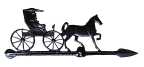 24" Country Doctor Accent Weathevane
Country Doctor: 12.5" Long x 6.25" High. Crafted of rust-free aluminum. Ships with adjustable aluminum roof mount base. |
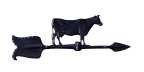 24" Cow Accent Weathervane
Cow: 7.5" Long x 4.75" High. Crafted of rust-free aluminum. Ships with adjustable aluminum roof mount base. |
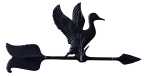 24" Duck Accent Weathevane
Duck: 7" Long x 7" High. Crafted of rust-free aluminum. Ships with adjustable aluminum roof mount base. |
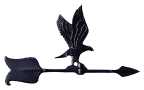 24" Eagle Accent Weathervane
Eagle: 5.5" Long x 8.75" High. Crafted of rust-free aluminum. Ships with adjustable aluminum roof mount base. |
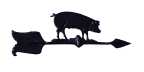 24" Hog Accent Weathervane
Hog: 7.75" Long x 5" High. Crafted of rust-free aluminum. Ships with adjustable aluminum roof mount base. |
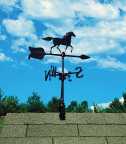 24" Horse Accent Weathervane
Horse: 10" Long x 7" High. Crafted of rust-free aluminum. Ships with adjustable aluminum roof mount base. |
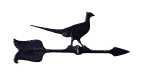 24" Pheasant Accent Weathervane
Pheasant: 10" Long x 6" High. Crafted of rust-free aluminum. Ships with adjustable aluminum roof mount base. |
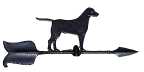 24" Retriever Accent Weathervane
Retriever: 8.5" Long x 6" High. Crafted of rust-free aluminum. Ships with adjustable aluminum roof mount base. |
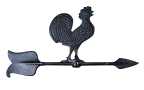 24" Rooster Accent Weathervane
Rooster: 6" Long x 7" High. Crafted of rust-free aluminum. Ships with adjustable aluminum roof mount base. |
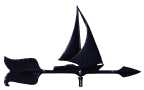 24" Sailboat Accent Weathervane
Sailboat: 6.5" Long x 8" High. Crafted of rust-free aluminum. Ships with adjustable aluminum roof mount base. |
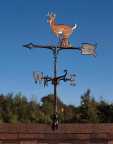 30" Buck Weathervane
Buck: 9.5" Long x 10.75" High. Ships with adjustable aluminum roof mount base. |
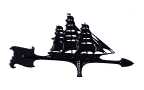 30" Clipper Accent Weathervane
Clipper: 13" Long x 8.5" High. Crafted of rust-free aluminum. Ships with adjustable aluminum roof mount base. |
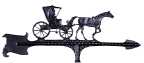 30" Country Doctor Accent Weathervane
Country Doctor: 13.5" Long x 6" High. Crafted of rust-free aluminum. Ships with adjustable aluminum roof mount base. |
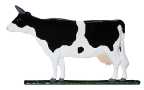 30" Cow Weathervane
Cow: 11" Long x 7" High. Ships with adjustable aluminum roof mount base. |
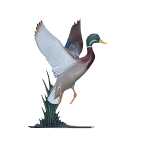 30" Duck Weathervane
Duck: 8" Long x 11" High. Ships with adjustable aluminum roof mount base. |
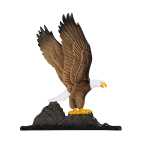 30" Eagle Weathervane
Eagle: 9.75" Long x 11.25" High. Ships with adjustable aluminum roof mount base. |
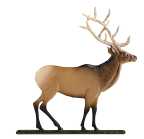 30" Elk Weathervane
Elk: 10.5" Long x 11" High. Ships with adjustable aluminum roof mount base. |
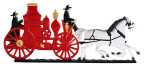 30" Fire Wagon Weathervane
Fire Wagon: 14.75" Long x 6" High. Ships with adjustable aluminum roof mount base. |
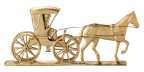 30" Full-Bodied Country Doctor Weathervane
Country Doctor: 13.5" Long x 6" High. Ships with adjustable aluminum roof mount base. |
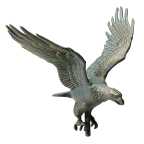 30" Full-Bodied Eagle Weathervane
Eagle: 11.5" Long x 9" High. Ships with adjustable aluminum roof mount base. |
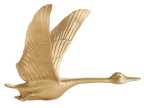 30" Full-Bodied Goose Weathervane
Goose: 11.5" Long x 11.375" High. Ships with adjustable aluminum roof mount base. |
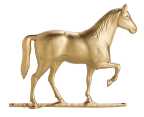 30" Full-Bodied Horse Weathervane
Horse: 9.75" Long x 8" High. Ships with adjustable aluminum roof mount base. |
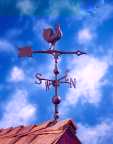 30" Full-Bodied Rooster Weathervane
Rooster: 9" Long x 9" High. Ships with adjustable aluminum roof mount base. |
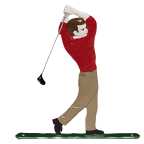 30" Golfer Weathervane
Golfer: 9.5" Long x 10.5" High. Ships with adjustable aluminum roof mount base. |
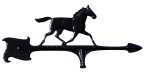 30" Horse Accent Weathervane
Horse: 10.5" Long x 7" High. Crafted of rust-free aluminum. Ships with adjustable aluminum roof mount base. |
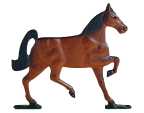 30" Horse Weathervane
Hores: 9" Long x 8" High. Ships with adjustable aluminum roof mount base. |
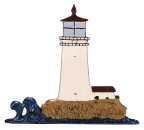 30" Lighthouse Weathervane
Lighthouse: 11" Long x 9.75" High. Ships with adjustable aluminum roof mount base. |
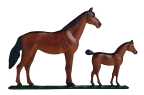 30" Mare & Colt Weathervane
Mare & Colt: 13.5" Long x 8.5" High. Ships with adjustable aluminum roof mount base. |
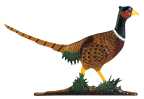 30" Pheasant Weathervane
Pheasant: 13.5" Long x 8.75" High. Ships with adjustable aluminum roof mount base. |
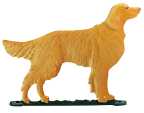 30" Retriever Weathervane
Ships with adjustable aluminum roof mount base. |
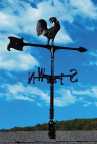 30" Rooster Accent Weathervane
Rooster: 7" Long x 8.5" High. Crafted of rust-free aluminum. Ships with adjustable aluminum roof mount base. |
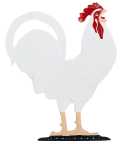 30" Rooster Weathervane
Rooster: 9" Long x 9" High. Ships with adjustable aluminum roof mount base. |
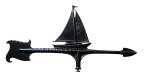 30" Sailboat Accent Weathervane
Sailboat: 12" Long x 4" High. Crafted of rust-free aluminum. Ships with adjustable aluminum roof mount base. |
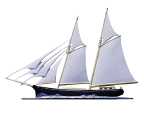 30" Schooner Weathervane
Schooner: 12.25" Long x 9" High. Ships with adjustable aluminum roof mount base. |
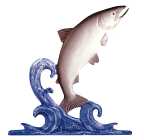 30" Trout Weathervane
Trout: 9.5" Long x 9.75" High. Ships with adjustable aluminum roof mount base. |
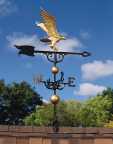 46" Eagle Weathervane
Eagle: 15" Long x 17" High. Ships with adjustable aluminum roof mount base. |
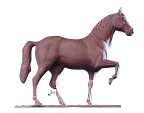 46" Horse Weathervane
Horse: 14" Long x 11.25" High. Ships with adjustable aluminum roof mount base. |
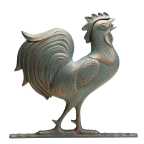 46" Rooster Weathervane
Rooster: 12.5" Long x 12" High. Ships with adjustable aluminum roof mount base. |
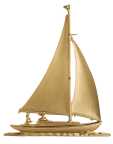 46" Sailboat Weathervane
Sailboat: 12.75" Long x 15.5" High. Ships with adjustable aluminum roof mount base. |
|
Ads by Google |
Home
Page |
Product Review Page | Help
 Woodside Gardens
The Registry of Nature Habitats
Woodside Gardens
The Registry of Nature Habitats 
 1999 -
All Rights Reserved
Last Updated: